CEO Entrepreneur lands in wrong prison- Aaron Duncan
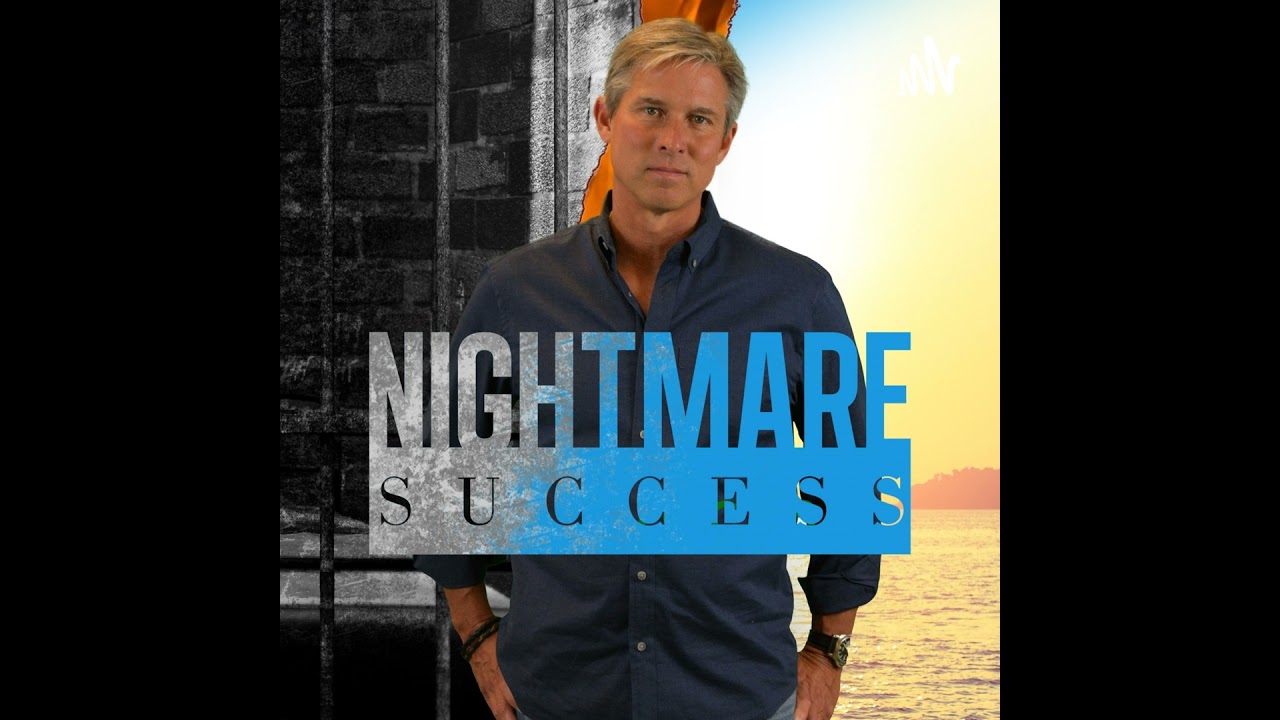
Aaron Duncan shares a first-hand white collar crime story and practical lessons for people navigating legal pressure, incarceration, or reentry.
Key Takeaways
- Aaron Duncan explains what triggered the legal and personal crisis.
- The episode shows how accountability and structure shape outcomes in white collar crime.
- Listeners get practical second-chance lessons they can apply immediately.
CEO Entrepreneur lands in wrong prison- Aaron Duncan
What happens when your childhood friend’s betrayal lands you in federal prison for someone else’s crimes?
When I sat down with Aaron Duncan, I knew I was about to hear a story that would challenge everything most people think they know about white-collar crime. Aaron went from building a multimillion-dollar real estate empire to facing over 1,000 years in federal prison, not because he ran a Ponzi scheme, but because someone he trusted threw him under the bus to save themselves.
From Baseball Dreams to Business Empire
Aaron’s journey started like so many American success stories. Growing up in Ferguson and Florissant, he was a three-sport athlete with college baseball scholarships on the table. But at 17, he made the hardest decision of his young life, telling his dad he was done with baseball and college.
“I think he disowned me that was it. I think he disowned me pretty much for uh he had three sons and then there were two,” Aaron laughed, but the pain was still there decades later.
Instead of college, Aaron married his high school sweetheart and started loading luggage at Southwest Airlines. That grunt work led to a breakthrough opportunity at TWA, where his small team became the first airline to sell tickets online. When corporate raider Carl Icahn dismantled TWA, Aaron found himself unemployed with a newborn daughter and no severance package.
That’s when the entrepreneur was born. Aaron turned his airline industry connections into a marketing agency, eventually selling it for enough capital to launch The Duncan Group, a real estate investment company that would change his life forever.
The $50 Million Betrayal
By 2008, Aaron had built The Duncan Group into a powerhouse, flipping properties across St. Louis, Dallas, and Phoenix. The company had divisions, employees, and over 70 investors nationwide. Everything looked perfect from the outside, until his childhood friend and business partner started embezzling money.
“I found out that there was embezzling going on and I found out that he was the one embezzling money,” Aaron told me. The discovery came when he walked through an unlocked office door and found his partner with his secretary. The betrayal cut deep, but Aaron chose reconciliation over prosecution, a decision that would haunt him.
When the 2008 financial crisis hit, properties worth $100,000 became worth $50,000 overnight. Aaron tried to restructure, using long-term investor capital to pay off short-term investors while weathering the storm. But his in-house attorney, whose own mother was an investor, had other plans.
“My in-house attorney went to the feds and so we have a Ponzi scheme we have a guy who is taking long-term investors money and paying short-term investors,” Aaron explained. The man he trusted to protect his company became the architect of his destruction.
When the Feds Come Knocking
The morning Aaron’s world collapsed started like any other. At 6:30 AM, there was a knock on his parents’ door where he’d been staying since losing everything. His father answered to find an FBI agent in a bulletproof vest with weapons drawn.
Aaron had arranged to turn himself in peacefully, but that plan evaporated. Nine to eleven fully armed FBI agents surrounded his parents’ home, handcuffed him, and dragged him away while his parents watched in horror.
The legal nightmare that followed was almost as devastating as the crime itself. Aaron’s attorney showed up to his first court appearance and told the judge the retainer hadn’t cleared yet, leaving Aaron to face 17 federal charges alone. The magistrate judge, feeling deceived, sent Aaron to county jail for weeks while he went on vacation.
“Every day that I’m on vacation and you’re in County Jail I want you to think about how you answer my questions,” the judge told him. County jail, Aaron learned quickly, was far worse than federal prison. He watched guards orchestrate inmate attacks through a one-way mirror system that made everything feel like a setup.
After 18 months on house arrest fighting the case, Aaron accepted a plea deal for 63 months, about half his original sentence but still five years of his life gone. The man who built a company in his own name, employed his family, and tried to do right by his investors was heading to federal prison for crimes orchestrated by the people he trusted most.
Aaron’s story isn’t just about betrayal or the 2008 financial crisis. It’s about what happens when the very systems meant to protect you, legal counsel, business partnerships, even the justice system itself, become the instruments of your destruction.
Key Takeaways
- Aaron Duncan explains what triggered the legal and personal crisis.
- The episode shows how accountability and structure shape outcomes in white collar crime.
- Listeners get practical second-chance lessons they can apply immediately.


