The Unfolding Journey of Ronnie Langford: From Darkness to Light
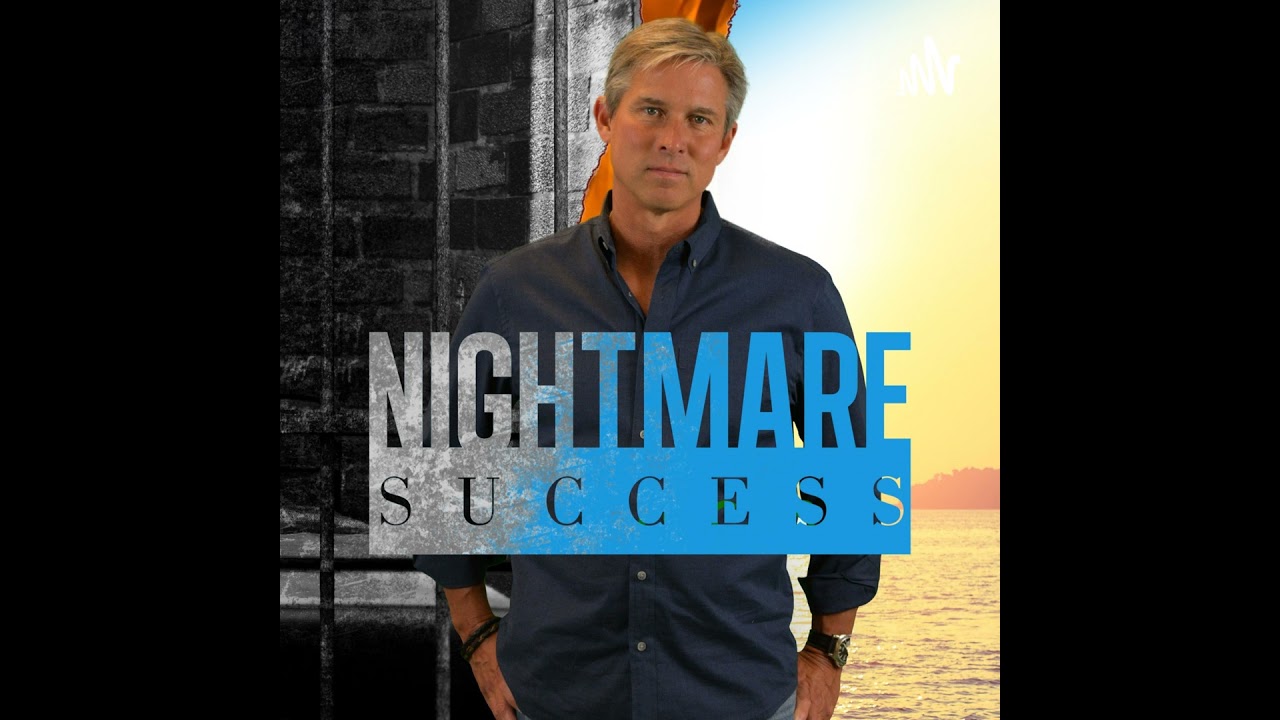
From Darkness to Light shares a first-hand addiction recovery story and practical lessons for people navigating legal pressure, incarceration, or reentry.
Key Takeaways
- From Darkness to Light explains what triggered the legal and personal crisis.
- The episode shows how accountability and structure shape outcomes in addiction recovery.
- Listeners get practical second-chance lessons they can apply immediately.
The Unfolding Journey of Ronnie Langford: From Darkness to Light
When Ronnie Langford heard “life without parole” echo through that courtroom, he made a choice that would define everything that followed.
I’ve sat across from hundreds of guests on Nightmare Success, but there’s something about Ronnie Langford’s story that stays with me. Maybe it’s the quiet determination in his voice when he talks about those early days behind bars, or the way he refuses to let bitterness creep into his words when discussing a system that handed him a life sentence for a crime that would carry four to five years today.
Ronnie was convicted under what they called the “650 drug life law” - a mandatory life sentence without parole for conspiracy to deliver over 650 grams of cocaine. The same charge today might get you out in half a decade. That’s the reality of how our justice system has evolved, often leaving men like Ronnie buried under laws that society itself has since recognized as excessive.
Refusing to Become “Desponded”
What struck me most about Ronnie wasn’t just his story, but his language. When I asked what went through his mind hearing that sentence, he said something that perfectly captured his mindset: “I didn’t want to become the sponded.”
That phrase - his way of saying he refused to become despondent - tells you everything about who Ronnie is at his core. Instead of surrendering to despair, he made a different choice entirely.
“I got incarcerated I became active I’m went to the law library worked on my case I got you know always stayed employed so I kept busy,” Ronnie told me.
There’s no self-pity in those words, just action. While other men might have crumbled under the weight of forever, Ronnie built a routine that kept him moving forward. The law library became his second home. Work became his anchor. Staying busy became his survival strategy.
The Law Library and the Long Game
I’ve learned that hope looks different for different people. For Ronnie, hope lived in those law books. Day after day, he’d research his case, studying legal precedents and procedural details that most of us couldn’t begin to understand.
This wasn’t just busy work - this was a man fighting for his life with the only tools available to him. The law library represented possibility in a place designed to strip that away. Every page he turned was an act of defiance against a system that had written him off.
What gets me about Ronnie’s approach is the discipline it required. It would have been easy to give up after the first year, or the fifth, or the tenth. But he understood something that took me years to learn myself: consistency in small actions creates the foundation for massive change.
When the System Changes Around You
Here’s what really bothers me about cases like Ronnie’s: “that’s they was calling 650 drug life law at that particular time but now since the law has changed and been modified I think you get about maybe four or five years for the same charge.”
Four or five years versus life without parole. Let that sink in.
The same society that decided Ronnie deserved to die in prison later looked at identical cases and said, “Actually, half a decade is probably sufficient.” That’s not justice evolving - that’s justice admitting it was wrong. And men like Ronnie paid the price for that learning curve with decades of their lives.
But here’s what I admire about Ronnie: he doesn’t waste energy being angry about the unfairness. He channels that energy into action, into staying busy, into working on his case. He focuses on what he can control, not what controls him.
The Power of Staying Active
Throughout our conversation, one theme kept surfacing: movement. Ronnie didn’t just survive his sentence - he stayed active within it. He worked, he researched, he engaged.
That’s a lesson that extends far beyond prison walls. When life hands you circumstances you can’t immediately change, the question becomes: what are you going to do with the time you have?
Ronnie answered that question with law books and employment records and a refusal to let his spirit break. He turned his cell into a classroom and his sentence into a different kind of education.
His story reminds me why I do this podcast. Every week, I get to witness the power of human resilience. I get to see what happens when people refuse to become “the sponded,” even when the system gives them every reason to give up.
Key Takeaways
- From Darkness to Light explains what triggered the legal and personal crisis.
- The episode shows how accountability and structure shape outcomes in addiction recovery.
- Listeners get practical second-chance lessons they can apply immediately.


