Master Barber in prison resilience in reentry
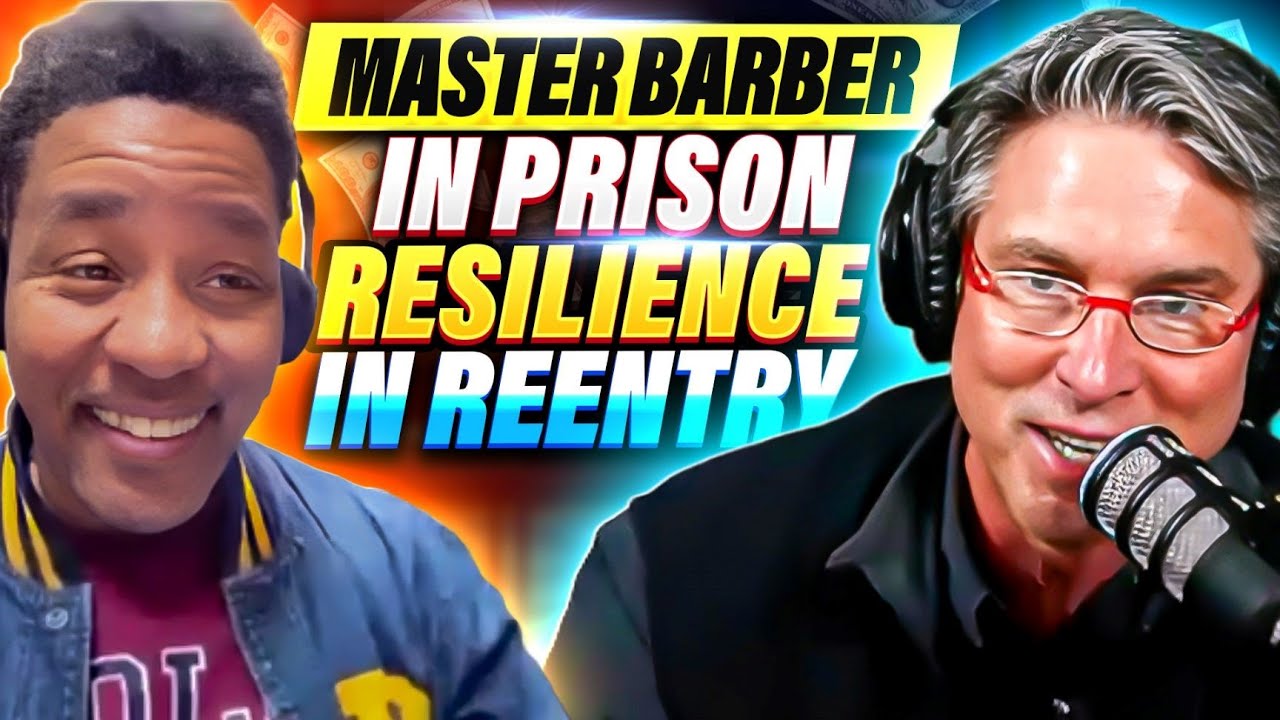
Master Barber in prison resilience in reentry shares a first-hand addiction recovery story and practical lessons for people navigating legal pressure, incarceration, or reentry.
Key Takeaways
- Master Barber in prison resilience in reentry explains what triggered the legal and personal crisis.
- The episode shows how accountability and structure shape outcomes in addiction recovery.
- Listeners get practical second-chance lessons they can apply immediately.
Master Barber in prison resilience in reentry
Sometimes the path to mastery takes you through places you never expected to go—and teaches you lessons you never knew you needed.
When LOL Nome first walked into that barber program at a federal prison in Pennsylvania, he wasn’t thinking about building a career. He was just another guy with 120 months ahead of him, trying to figure out how to do his time without losing himself completely.
But what started as just another way to fill the endless prison hours became something much deeper—a craft that would carry him through the darkest moments and eventually become his ticket to a completely different life.
From 5,000 Prison Hours to Starting Over
LOL had put in serious work behind the walls. Five thousand hours of cutting hair in the federal system. He’d built a reputation, earned respect, and walked out with a Department of Labor certificate proving his skills. But here’s the brutal reality of reentry that most people never see: none of those hours counted toward getting licensed in any state.
“I showed that certificate to the barber school,” LOL told me. “I had 5,000 hours. They weren’t interested.”
The system that had trained him couldn’t transfer those skills to the outside world. All those years of perfecting his craft, serving fellow inmates, running the shop—wiped clean the moment he walked through those gates.
When the Feds Come Knocking Again
Just when LOL thought he was building momentum, working toward his apprenticeship in Georgia, his past caught up with him. His probation officer didn’t approve of him working in barbershops. Then came the dirty drug tests. Then the ultimatum.
But LOL had made a decision that would define everything that followed. He was scheduled for a revocation hearing—likely headed back to prison—but he also had an appeal hearing for his barber license application that the state had initially denied.
“I said well I’m gonna go either way. If I’m gonna lose, I’mma lose the hearing either way. Might as well try to get the license.”
That choice—to fight for his future even when facing a return to prison—shows the kind of determination that separates those who make it from those who don’t.
The Real Test of Character
LOL got his license approved while sitting in Atlanta USP doing that extra year. But when he got out, another obstacle: the barber he was supposed to apprentice under had let his own license expire. Another dead end. Another reason to give up.
Most people would have thrown in the towel. LOL moved back to St. Louis and started over. Again.
“I didn’t want to go that far and not go the whole way,” he said about finally completing his barber program. “Because a lot of guys that I was going to school with, they would go to school and at the end, they would miss the State Board. They wouldn’t take the state board.”
Not LOL. He drove two hours to Jefferson City just to take his exam sooner rather than later. He passed. Finally licensed in 2015.
Building Something Real
Today, LOL runs Fresh Cuts in St. Charles, Missouri. He’s got full custody of his son, and they moved to Miami together for a while—just because he could. Because when you’ve survived the federal prison system and fought your way to legitimate success, you realize something powerful: you can go anywhere.
“If you can go to prison and survive them 10 years with the worst people that the country considers the worst people in the world, and you’re cool with them, I can move anywhere,” he explained. “My spirit carries me anywhere.”
But the real victory isn’t just the business or the freedom to move. It’s breaking the cycle completely. LOL talks to his son from multiple perspectives—father, grandfather, uncle—drawing on the wisdom his grandmother passed down to him.
His grandmother told him something years ago that still guides him: “I pray for you too hard. I pray too hard for you to do good, so you’ll never be good at doing bad.” And she was right.
LOL’s story isn’t just about learning to cut hair in prison. It’s about refusing to let the system define your limits, even when every door seems to slam shut. It’s about understanding that real change requires you to “buckle down and grit it through.”
As he puts it: “If you don’t stand for something, you fall for anything. You have to have solid confidence in whatever you’re standing on.”
Key Takeaways
- Master Barber in prison resilience in reentry explains what triggered the legal and personal crisis.
- The episode shows how accountability and structure shape outcomes in addiction recovery.
- Listeners get practical second-chance lessons they can apply immediately.


